
What is Agenda 2030?
In today’s world, you’ve probably heard people mention Agenda 2030 in discussions about climate change, economic development, education, or even on social media. But what exactly is Agenda 2030, and why is it so important?
In this article, we’ll explain what Agenda 2030 is, why it was created, and what it means for countries, businesses, and individuals around the world.
What Is Agenda 2030?
Agenda 2030, officially known as the 2030 Agenda for Sustainable Development, is a global action plan adopted by all 193 United Nations (UN) member countries in September 2015.
Its purpose is simple yet ambitious: to create a better, healthier, and more sustainable future for everyone by the year 2030.
Rather than being a law or international treaty, Agenda 2030 serves as a shared roadmap that encourages countries to work together on solving some of the world’s biggest challenges, including poverty, hunger, inequality, environmental protection, and economic development.
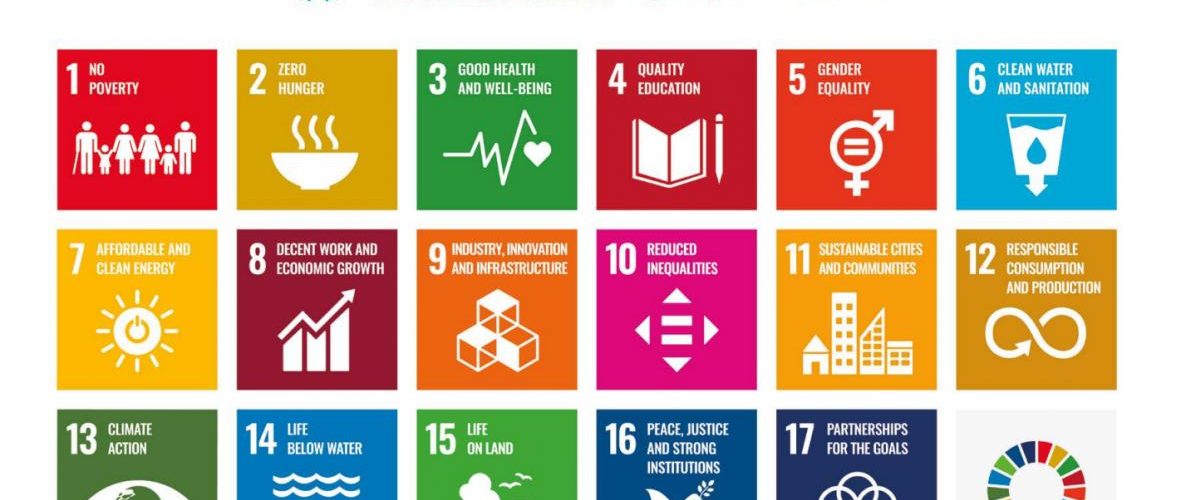
The agenda is built around 17 Sustainable Development Goals (SDGs), each designed to improve people’s lives while protecting the planet.
Why Was Agenda 2030 Created?
Despite significant progress over the past few decades, many global challenges remain.
Millions of people still live in poverty, lack access to clean drinking water, struggle to receive quality education, or face food insecurity. At the same time, climate change, pollution, and environmental degradation continue to threaten ecosystems and communities worldwide.
Recognizing these challenges, the United Nations introduced Agenda 2030 as a common framework to help countries work toward long-term, sustainable development.
Its guiding principle is:
“Leave no one behind.”
This means ensuring that economic growth and social progress benefit everyone, regardless of where they live or their circumstances.
The 17 Sustainable Development Goals
Agenda 2030 is centered around 17 global goals that address social, economic, and environmental issues.
These goals include:
- No Poverty
- Zero Hunger
- Good Health and Well-being
- Quality Education
- Gender Equality
- Clean Water and Sanitation
- Affordable and Clean Energy
- Decent Work and Economic Growth
- Industry, Innovation, and Infrastructure
- Reduced Inequalities
- Sustainable Cities and Communities
- Responsible Consumption and Production
- Climate Action
- Life Below Water
- Life on Land
- Peace, Justice, and Strong Institutions
- Partnerships for the Goals
Each goal includes specific targets and indicators that countries can use to measure progress.
Is Agenda 2030 Legally Binding?
One of the biggest misconceptions about Agenda 2030 is that it is legally enforceable.
In reality, it is not.
Agenda 2030 is a voluntary framework. Every country decides how to pursue the Sustainable Development Goals based on its own laws, priorities, economic conditions, and available resources.
The United Nations does not have the authority to force countries to implement the agenda.
How Does Agenda 2030 Affect Everyday Life?
Although Agenda 2030 is a global initiative, its goals influence many aspects of daily life.
Governments may introduce policies that improve education, healthcare, renewable energy, clean water systems, public transportation, or environmental protection.
Businesses often align their sustainability strategies with the Sustainable Development Goals, while schools and universities may incorporate these topics into their educational programs.
For individuals, Agenda 2030 encourages actions such as reducing waste, conserving energy, supporting sustainable businesses, and promoting equality within communities.
Why Is Agenda 2030 Sometimes Controversial?
Agenda 2030 has generated public debate for several reasons.
Some experts question whether the goals are realistic or achievable by 2030. Others debate the costs of implementation, the balance between economic growth and environmental protection, or the best policies for achieving sustainable development.
At the same time, Agenda 2030 has become the subject of numerous claims on social media suggesting it is a hidden plan for global control or the elimination of personal freedoms.
However, the official Agenda 2030 document is publicly available, and it outlines voluntary development goals rather than creating legally binding international rules or transferring national sovereignty to the United Nations.
As with any widely discussed topic, it’s important to rely on credible sources and distinguish between verified information and unsupported claims.
Has Agenda 2030 Been Successful?
Progress has been made in several areas, including increased access to renewable energy, improvements in education, reductions in extreme poverty in many regions, and expanded healthcare services.
However, challenges such as the COVID-19 pandemic, armed conflicts, inflation, and climate-related disasters have slowed progress toward many of the goals.
As a result, the United Nations has acknowledged that many Sustainable Development Goals are currently off track and require greater international cooperation and investment.
Final Thoughts
Agenda 2030 represents one of the most ambitious global development plans ever adopted. Its goal is to create a future where economic growth, social well-being, and environmental sustainability work together to improve life for everyone.
Whether every target is achieved by 2030 remains uncertain, but the agenda continues to guide governments, organizations, businesses, and communities in addressing some of the world’s most pressing challenges.
Understanding Agenda 2030 allows individuals to participate in informed discussions, evaluate policies critically, and contribute to building a more sustainable future in their own communities.

Post a Comment