

Embarking on the extraordinary journey of life, we are woven into a tapestry of growth, transformation, and self-discovery. From our first breath to our final farewell, human existence reflects resilience, adaptability, and the enduring quest for meaning. Each stage of life prenatal beginnings, childhood, adolescence, adulthood, and beyond — shapes our identity, purpose, and legacy.
Key Takeaways
-
Human development spans physical, cognitive, and psychosocial growth from conception to death.
-
Developmental psychology uses research methods to understand how people change across the lifespan.
-
The normative approach identifies typical ages for developmental milestones.
-
Humans are “generalist animals,” uniquely adaptable to diverse environments.
-
Classic theories, including Freud’s psychoanalysis and Erikson’s psychosocial stages, provide insight into our life trajectory.
The Essence of Human Life: From Conception to Beyond
The miracle of human life begins at conception, blending biology, philosophy, and purpose. From the first cell division to life’s closing chapter, our existence unfolds as a continuous process of growth, learning, and legacy.
The Miracle of Creation
The creation of a new human life is a captivating process, fascinating both scientists and philosophers. It involves the intricate dance of genetic material and the gradual development of unique traits. This process is a testament to the remarkable complexity of our existence. As the embryo and fetus grow, they acquire characteristics that shape their future, marking the beginning of a life cycle.
Understanding Life’s Purpose
The question of life’s purpose has been a longstanding inquiry in human history. The answer varies across cultures and individuals, yet the pursuit of meaning remains universal. Whether through spiritual beliefs, personal growth, or positive impact, the journey of self-discovery is fundamental to the human experience.
The Continuous Journey
The human life cycle, from conception to the final chapter, is a continuous, evolving process. Each stage, from prenatal development to old age, brings unique challenges and opportunities for growth. As we navigate these transitions, we realize that our existence is a tapestry of experiences, creating the rich and diverse humanity we share.
“The unfolding of human life is a symphony of biological, psychological, and spiritual dimensions, each playing a vital role in the grand composition of our existence.”
Prenatal Development: The First Chapter of Life
The inception of human existence precedes our initial respiration. Prenatal development, spanning from conception to birth, establishes the groundwork for our subsequent well-being. This transformative period, where a solitary cell metamorphoses into a complex, thriving entity, is pivotal in sculpting our future.
Proper prenatal care is indispensable for the development of the fetus. The mother’s physical and emotional condition profoundly impacts the life cycle of the unborn. Adequate nutrition, stress management, and regular medical evaluations significantly bolster the birth outcome and the child’s health.
The fetal development timeline exemplifies the awe-inspiring intricacies of nature. Within nine months, the zygote evolves into a fully formed human, equipped with complex organ systems, distinct characteristics, and the ability to survive outside the womb. This extraordinary metamorphosis is a quintessential miracle of creation.
| Developmental Stage | Timeline | Key Milestones |
|---|---|---|
| Embryonic Stage | Weeks 1-8 | Cell division, organ formation, neural tube development |
| Fetal Stage | Weeks 9-40 | Rapid growth, organ maturation, movement and sensory development |
By delving into the complexities of prenatal development, we cultivate a profound respect for life’s vulnerability and resilience. This comprehension enables us to make informed choices, deliver superior prenatal care, and guarantee a robust beginning for the next generation.
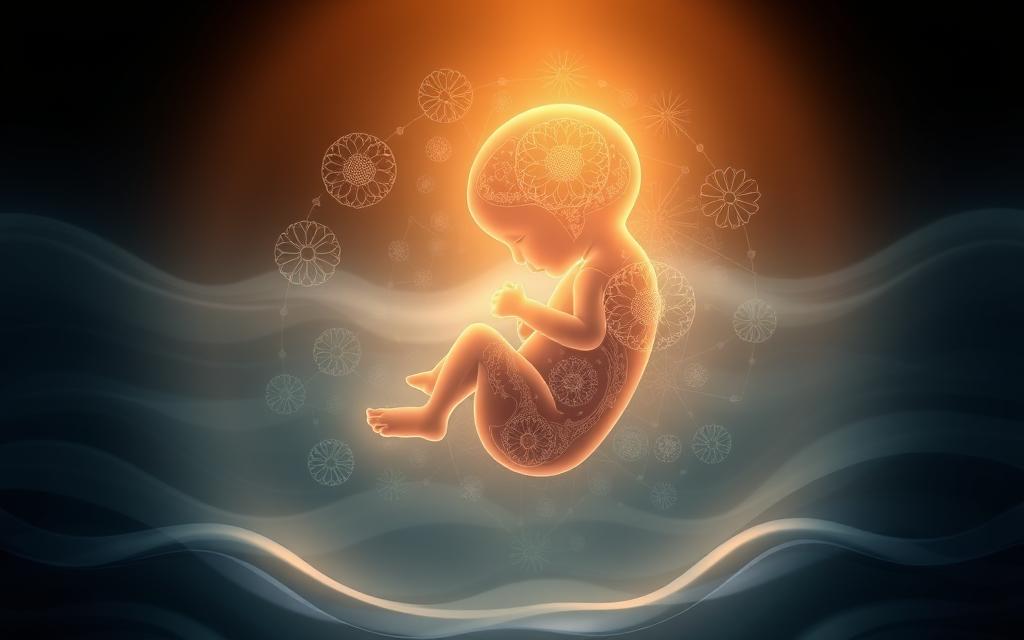
“The development of a human being is a continuous process, a journey that begins long before birth and continues throughout our lives.”
Early Childhood: Building the Foundation
This stage marks rapid physical and cognitive growth. Children develop motor skills, symbolic thinking, and emotional regulation.
| Milestone | Age Range |
|---|---|
| Head control | 2–3 months |
| Rolling over | 4–6 months |
| Sitting up | 6–8 months |
| Crawling | 8–10 months |
| Walking | 12–15 months |
These milestones, supported by parental care, form the base for lifelong learning and resilience.
Physical Development Milestones
As our young ones progress, they exhibit a series of physical advancements. These include gaining head control, rolling over, sitting up, crawling, and eventually, taking their first steps. These childhood developmental milestones not only signify physical maturation but also serve as indicators of overall health and well-being.
Cognitive Growth Patterns
The early years are characterized by rapid cognitive growth. Infants and toddlers engage in pretend play, use mental symbols, and develop their problem-solving abilities. According to Jean Piaget’s theory of cognitive development, this “preoperational stage” lays the groundwork for more advanced thinking in the later concrete-operational and formal-operational stages.
Emotional Intelligence Formation
Emotional intelligence, the ability to recognize and manage one’s own emotions, as well as those of others, blossoms during the formative years of childhood. Through social interactions, exposure to different emotions, and parental guidance, children develop the foundations of self-awareness, empathy, and emotional regulation.
Recognizing and nurturing these developmental milestones in early childhood can have a profound impact on a child’s future success and well-being. By understanding and supporting our children’s growth during this transformative period, we can help them build a strong foundation for lifelong learning, social adaptation, and emotional resilience.
| Developmental Milestone | Typical Age |
|---|---|
| Head control | 2-3 months |
| Rolling over | 4-6 months |
| Sitting up | 6-8 months |
| Crawling | 8-10 months |
| Walking | 12-15 months |
“The first years of a child’s life are the foundation upon which the rest of their development is built.”
The Formative Years: Shaping Identity
Children begin shaping identity, social skills, and morality. They explore interests — sports, art, science, music — that often guide future passions. Supportive environments help them navigate challenges such as bullying, self-doubt, and peer pressure, fostering confidence and empathy.
“The years from four to twelve are the most formative years of a child’s life. During this time, the child’s personality, attitudes, and basic values are shaped.” – Dr. James Dobson, child psychologist
Adolescence: Navigating Change and Discovery
Adolescence brings profound physical, hormonal, and social transformations. Puberty signals biological maturity, while friendships, identity exploration, and academic challenges prepare teens for adulthood.
Physical and Hormonal Changes
Puberty, a hallmark of adolescence, ushers in a series of physical and hormonal changes that shape our journey towards physical maturity. During this time, we experience the development of secondary sexual characteristics, a surge in growth, and hormonal fluctuations that can significantly impact our emotional and psychological well-being.
Social Development
Adolescence also brings about a shift in our social dynamics. We begin to form deeper, more meaningful friendships, exploring our identity and finding our place within peer groups. This social development is crucial for the coming of age process, as we learn to navigate the complexities of relationships and the social landscape.
Educational Milestones
As we progress through adolescence, our educational journey takes on new significance. We tackle advanced academic challenges, develop critical thinking skills, and prepare for the adulthood that lies ahead. These educational milestones not only shape our intellectual growth but also lay the foundation for our future careers and personal pursuits.
Navigating the changes and discoveries of adolescence can be both exhilarating and daunting, but it is a necessary step towards becoming the unique individuals we are destined to become.

“Adolescence is a time of radical change, growth, and discovery.” – Unknown
| Age Range | Key Characteristics |
|---|---|
| 13-19 years |
|
Emerging Adulthood: Transitioning to Independence
This transitional phase emphasizes self-discovery, career choices, and relationships. Young adults explore independence while establishing identity, financial stability, and purpose.
“Emerging adulthood is a distinct period of the life course, characterized by change and exploration of possible life directions.”
Recognizing the significance of emerging adulthood and its transformative potential empowers us to embark on this journey with renewed purpose. We embrace the challenges and opportunities ahead, striving towards adulthood, maturity, and independence.
| Key Characteristics of Emerging Adulthood | Developmental Tasks |
|---|---|
|
|
Building Your Path: Career and Personal Growth
As we transition into our 20s and 30s, our focus shifts towards career and personal development. This period is pivotal, where we aim to create a stable and fulfilling lifestyle. Our primary objectives include enhancing our professional skills, securing a stable income, and nurturing meaningful relationships.
This stage of career development offers us the chance to explore various job options, accumulate valuable experience, and discover a career that resonates with our passions and strengths. Whether we choose a traditional 9-to-5 role, venture into entrepreneurship, or pursue freelance endeavors, it’s crucial to establish a solid foundation for a successful and gratifying professional path.
Concurrently, we focus on personal growth. We engage in activities that foster self-discovery, such as pursuing higher education, traveling, or volunteering. These endeavors not only contribute to our personal development but also broaden our perspectives and enrich our lives.
Moreover, building meaningful relationships is a significant aspect of this phase. We strive to nurture close friendships, establish romantic partnerships, and potentially start a family. These connections offer us a sense of belonging, support, and fulfillment, which are vital for our overall well-being and adulthood development.
| Key Milestones in Career and Personal Growth | Typical Age Range |
|---|---|
| Exploring career options and gaining work experience | 20s to early 30s |
| Establishing a stable career path and income | Late 20s to 40s |
| Cultivating meaningful relationships and starting a family | Late 20s to 40s |
| Pursuing personal growth through education, travel, and hobbies | 20s to 40s |
This stage of adulthood demands a delicate balance between professional commitments and personal fulfillment. By navigating this journey with purpose and resilience, we can establish a rewarding and purposeful life.

“The true meaning of life is to plant trees, under whose shade you do not expect to sit.” – Nelson Henderson
The Middle Years: Finding Balance and Purpose
As we traverse the middle years, spanning from 40 to 60, we encounter a pivotal juncture. Our professional endeavors have flourished, yielding tangible rewards for our relentless efforts. Conversely, our familial obligations have intensified, demanding a significant portion of our time and energy. It is imperative that we strive for a work-life balance and unearth a profound purpose during this phase.
Career Achievement
The middle years often herald significant professional milestones. We have refined our expertise, cultivated robust networks, and solidified our status as industry leaders. This period may witness the culmination of our endeavors, manifesting in promotions, leadership positions, or the inception of our entrepreneurial ventures. Nonetheless, it is vital to maintain a balance between our professional pursuits and personal well-being.
Family Dynamics
As we transition into our midlife years, our familial relationships undergo profound transformations. We are tasked with managing the needs of our aging parents, our children’s evolving requirements, and even those of our grandchildren. This necessitates a blend of empathy, patience, and flexibility. It is crucial to foster our familial bonds while also respecting our personal needs.
Personal Fulfillment
While our careers and family obligations assume prominence, it is equally crucial to prioritize our personal fulfillment. This might entail exploring novel hobbies, engaging in community service, or simply dedicating time to self-care. By cultivating our passions and contributing to causes beyond our immediate circle, we can attain a more profound purpose and maturity.
The middle years represent a pivotal moment in our lives, demanding a delicate equilibrium between our professional, familial, and personal aspirations. By embracing this challenge, we can emerge with a revitalized sense of purpose, a deeper self-awareness, and a more harmonious approach to existence.
| Characteristic | Description |
|---|---|
| Career Achievement | Honing skills, building networks, and establishing expertise in one’s field, leading to professional accomplishments and leadership roles. |
| Family Dynamics | Navigating the evolving needs of aging parents, growing children, and grandchildren, requiring empathy, patience, and adaptability. |
| Personal Fulfillment | Exploring new hobbies, volunteering, and engaging in self-care to nurture personal passions and find a deeper sense of purpose. |

“The middle years are a time of both challenge and opportunity. It’s up to us to find the right balance and discover the true meaning of our lives.”
Wisdom Years: Embracing Life’s Experiences
As we navigate the complexities of life, the wisdom years, spanning from 60 and beyond, present a unique opportunity. This era is not merely a time for rest but a chance to impart our accumulated wisdom. It invites us to mentor, contribute, and find new avenues for societal engagement.
Mary Catherine Bateson’s writings offer profound insights into this transformative phase. Her books, including “Composing a Life,” “Peripheral Visions,” and “Composing a Further Life,” illuminate the rich experiences of later adulthood. Bateson’s work serves as a guide, navigating us through the intricate tapestry of this stage.
Bateson’s philosophy champions the proactive shaping of “Adulthood II,” or the “age of active wisdom.” This era, beginning in the 55-65 age range, is characterized by a renewed purpose. It offers us the chance to utilize our life experiences for significant contributions to our communities.
Complementing Bateson’s insights, Ron Pevny’s contributions have been pivotal in guiding individuals through the wisdom years. As the Founding Director of the Center for Conscious Eldering in Durango, Colorado, Pevny has played a crucial role. His work as a Certified Sage-ing® Leader and host of the Transforming Aging Summits underscores his dedication to assisting in navigating life’s profound transitions.
The wisdom years are a period of reflection, growth, and knowledge transfer to the younger generation. By embracing our life experiences, we unlock new avenues for personal growth, social engagement, and legacy creation. This legacy will inspire and guide future generations.
“The pattern underlying individual lives is one of collaborative learning across disciplines and cultures.”
– Mary Catherine Bateson, author of “Composing a Life”
Physical and Mental Wellness Through Ages
Maintaining physical and mental wellness is paramount throughout our life’s journey. As we age, our health strategies must evolve to accommodate the changing needs of our bodies and minds. A holistic approach to health maintenance, encompassing nutrition, exercise, and genetic predispositions, is essential for longevity and overall well-being.
Health Maintenance Strategies
Our physical abilities reach their zenith in our mid-twenties, with subsequent declines in muscular strength, reaction time, and sensory keenness. To counteract these natural aging processes, regular exercise is crucial. Research indicates that aerobic exercise enhances memory, sharpens judgment, and reduces cognitive decline in older adults. Furthermore, physical activity fosters the growth of new brain cells, maintains telomeres that protect our chromosomes, and fortifies the immune system.
Mental Resilience Building
Mental wellness is equally paramount as we traverse the various stages of life. As the brain loses about 5% of its weight by age 80, it is imperative to engage in activities that stimulate cognitive function. Practices such as mindfulness, meditation, and lifelong learning are instrumental in building mental resilience and preserving cognitive abilities well into our later years.
Lifestyle Adaptations
Adapting our lifestyle habits is essential for overall wellness, alongside physical and mental health strategies. Whether it’s adjusting our sleep patterns, managing stress, or maintaining an active social life, our choices significantly impact our longevity and quality of life. By embracing a holistic approach to wellness, we can ensure that we thrive through every age and stage of our remarkable life’s journey.
| Key Health Milestones | Age Range |
|---|---|
| Physical abilities peak | Mid-twenties |
| Brain loses 5% of its weight | 80 years old |
| Women’s fertility declines | 35-39 years old |
| Muscle strength, reaction time, and stamina diminish | Late adulthood |
| Reduced risk of short-term ailments, higher risk of life-threatening diseases | 65+ years old |
“Exercise slows aging processes and contributes to enhanced memory, judgment, and reduced cognitive decline in older adults.”
Legacy Building: Making Your Mark
Life’s journey is a profound path, culminating in the lasting impact we leave on the world. Legacy transcends mere professional achievements or material wealth. It embodies a positive influence that inspires future generations, a mark that endures beyond our own existence.
Legacy manifests in diverse ways, encompassing the bonds we forge, the communities we uplift, and the creative legacies we bequeath. It underscores the significance of our actions, no matter their magnitude, in shaping the future and fostering meaningful change.
Throughout our lives, we encounter pivotal rites of passage, significant transitions and celebrations that punctuate our existence. These rituals, ubiquitous across cultures, serve as milestones for personal evolution and collective identity. By honoring these moments, we deepen our comprehension of humanity and strive to leave an enduring legacy.
The legacy we construct through professional milestones, community service, and nurturing relationships can profoundly impact the world. By emphasizing our contributions and striving for a positive legacy, we initiate a ripple effect that uplifts and inspires those around us.
| Film Title | Description | Purchase/Rental Price |
|---|---|---|
| 100-Something | Exploring centenarians becoming less unusual, with a focus on longevity and aging dimensions. | Purchase: $129, Rental: $75 (47 minutes) |
| A One and A Two | Portrays a widower starting anew through ballroom dancing after the loss of his wife. | Purchase: $195, Rental: $55 (27 minutes) |
| Accepting Life’s Transitions | Examines aging as a series of transitions from various viewpoints, discussing health challenges and coping mechanisms. | Purchase: $129.95 (29 minutes) |
“The best way to find yourself is to lose yourself in the service of others.” – Mahatma Gandhi
Reflecting on our life’s journey, we are presented with the opportunity to forge a lasting legacy that transcends our own existence. By prioritizing our contributions and striving for a positive impact, we can etch an indelible mark on the world, inspiring future generations.
Preparing for Life’s Final Chapter
As we traverse the trajectory of existence, the inescapable reality of mortality emerges. Preparing for life’s final chapter necessitates acknowledging this truth and meticulously planning for end-of-life care. This period invites introspection, reconciliation with past experiences, and the assurance of our affairs’ order for our dear ones.
Embracing mortality’s reality can be a transformative and profound experience. It prompts us to live more deliberately, to focus on what is truly significant, and to imbue our remaining time with meaning and purpose. By accepting death’s inevitability, we cultivate a deeper appreciation for life’s preciousness and strive to leave a lasting legacy.
End-of-life planning is a critical component of this final chapter. It encompasses making pivotal decisions regarding our healthcare preferences, financial matters, and the care we desire at life’s end. By proactively engaging in these steps, we mitigate the burden on our loved ones and ensure our wishes are honored.
Reflecting on our life’s journey also mandates making peace with past experiences, both the joyous and the sorrowful. This acceptance fosters closure and inner peace, enabling us to focus on the present and find solace in the memories we’ve forged.
“The most important thing is to enjoy your life – to be happy – it’s all that matters.” – Audrey Hepburn
Preparing for life’s final chapter is a deeply personal and meaningful endeavor. By embracing mortality, planning for the end-of-life, and achieving acceptance, we can approach this stage with serenity, purpose, and profound gratitude for the life we’ve lived.
| Key Considerations for End-of-Life Planning | Importance |
|---|---|
| Advance Directives | Ensures your healthcare wishes are known and respected |
| Power of Attorney | Designates a trusted individual to make decisions on your behalf |
| Will and Estate Planning | Protects your assets and provides for your loved ones |
| Funeral Planning | Allows you to express your personal preferences and alleviate the burden on your loved ones |
The Spiritual Dimension of Life’s Journey
As we traverse the ebbs and flows of life, the spiritual realm offers profound solace, direction, and purpose. Exploring our faith and cultivating personal growth enables us to attain the inner tranquility we yearn for. This, in turn, bequeaths a lasting spiritual legacy to future generations.
Faith and Personal Growth
Establishing a robust spiritual foundation can be a transformative journey. Research underscores the significance of religion and spirituality, with most individuals identifying as religious or spiritual. By immersing ourselves in our faith, we unlock avenues for personal evolution and self-discovery. The eudaimonic model of well-being, translated into over 40 languages and yielding more than 1,200 publications, underscores the paramountcy of spiritual fulfillment.
Finding Inner Peace
In our frenetic world, the quest for inner peace serves as a potent countermeasure against the stresses and anxieties we encounter. The scientific community is delving into how encounters with nature can deepen our spirituality and elevate our overall well-being. Indigenous peoples provide invaluable perspectives on the interplay between spirituality, well-being, and the natural world, exemplified by concepts like “Two-Eyed Seeing.”
Spiritual Legacy
In the latter stages of life, the significance of leaving a spiritual legacy intensifies. The webinar on the Stages of Spiritual Growth and Freedom elucidated the three stages of spiritual development: purgative, illuminative, and unitive, mirroring human development stages. By imparting our values, beliefs, and spiritual wisdom to future generations, we ensure our spiritual journey continues to inspire and guide those who follow.
“Spirituality is not something that is optional or separate from the human experience; it is fundamental to who we are and how we live our lives.”
Conclusion
Reflecting on human life’s journey, we recognize a perpetual cycle of growth, learning, and adaptation. From the inception of life to the accumulation of wisdom in later years, every phase offers distinct challenges and opportunities for personal development. This ongoing evolution underscores the essence of our existence.
By engaging with our life journey with mindfulness and purpose, we uncover its profound significance. Recognizing the varied experiences that mold us, we gain a deeper self-awareness and our role in the global community. This understanding enriches our lives and fosters a more profound connection with the world around us.
Our life’s narrative is intricately woven with both triumphs and tribulations, intermingled with moments of joy and sorrow. These experiences collectively contribute to our ongoing personal growth and the legacy we will leave. As we navigate through life’s chapters, let us do so with resilience, curiosity, and the conviction that our lives are of immense value and potential.
FAQ
What are the key stages of the human life journey?
The human life journey spans from conception to death, encompassing prenatal development, early childhood, and the formative years. It also includes adolescence, emerging adulthood, and the pursuit of a career and personal growth. The middle years, wisdom years, and the preparation for life’s final chapter are integral parts of this journey.
How does prenatal development impact a child’s future health?
Prenatal development is pivotal for a child’s future health. The mother’s physical and emotional state during pregnancy significantly influences the baby’s development. Optimal prenatal care, encompassing proper nutrition and stress management, can profoundly impact the child’s life trajectory.
What are the key developmental milestones in early childhood?
Early childhood milestones include head control, rolling, sitting, crawling, and walking. This period also sees rapid cognitive and emotional growth. Any misalignments or developmental delays can have lasting effects on future milestones and overall health.
How do the formative years shape a person’s identity?
The formative years, spanning from ages 4-12, are critical for identity formation. Children develop essential social skills, learn about the world, and form their initial worldviews. This foundational period sets the stage for future learning and personal development.
What changes occur during the adolescence stage?
Adolescence is marked by significant physical, hormonal, and social transformations. Puberty signals the transition to physical maturity. Social development includes the formation of deeper friendships and the exploration of identity. Educational milestones prepare teens for adulthood and future careers.
How does the emerging adulthood stage impact one’s life?
Emerging adulthood, spanning from 18-25, is a period of transitioning to independence. It focuses on learning, exploring career options, and developing adult relationships. This stage is characterized by self-discovery and setting the stage for future life goals.
What are the key aspects of the middle years?
The middle years, typically from 40-60, involve balancing career achievements with family responsibilities. This stage often includes a shift towards finding deeper meaning and purpose in life. Leo Tolstoy’s midlife crisis and subsequent focus on service to others exemplify this transition.
How do the wisdom years contribute to one’s life?
The wisdom years, generally from 60 onwards, involve embracing accumulated life experiences. This stage focuses on sharing knowledge, mentoring others, and finding new ways to contribute to society. It’s a time of reflection and passing on wisdom to younger generations.
Why is maintaining physical and mental wellness important throughout life?
Maintaining physical and mental wellness is crucial throughout life. Health strategies evolve with age, focusing on nutrition, exercise, and managing genetic predispositions. Building mental resilience and adapting lifestyle habits contribute to overall well-being and longevity.
How can one leave a lasting legacy?
Legacy building involves creating a lasting impact on the world. This can include professional achievements, personal relationships, community service, or creative works. It’s about leaving a positive mark that extends beyond one’s lifetime.
What does preparing for life’s final chapter involve?
Preparing for life’s final chapter involves acceptance of mortality and planning for end-of-life care. This stage focuses on reflecting on life’s journey, making peace with past experiences, and ensuring one’s affairs are in order for loved ones.
How can the spiritual dimension enrich one’s life journey?
The spiritual dimension of life’s journey involves exploring faith, personal growth, and finding inner peace. It can provide comfort, guidance, and a sense of purpose throughout different life stages. Leaving a spiritual legacy can involve passing on values and beliefs to future generations.
Embarking on the extraordinary journey of life, we are enveloped in a complex tapestry of growth, transformation, and self-discovery. From our initial breath to our final farewell, our existence serves as a testament to humanity’s resilience and adaptability. This odyssey, replete with triumphs and tribulations, molds our identity, purpose, and the enduring legacy we leave.
Key Takeaways
- Life’s journey encompasses physical, cognitive, and psychosocial development from conception to death.
- Developmental psychologists utilize various research methods to understand the changes that occur over time.
- The normative approach identifies average ages at which children reach specific developmental milestones.
- The concept of humans as “generalist” animals highlights our adaptability to diverse environments.
- Theories like Freud’s psychoanalytic approach and Erikson’s psychosocial stages provide insights into life’s trajectory.
The Essence of Human Life: From Conception to Beyond
The journey of humanity is a profound miracle, commencing at conception and extending beyond our physical lives. It is a complex interweaving of biology, philosophy, and the quest for understanding our purpose. This intricate tapestry forms the essence of human life.
The Miracle of Creation
The creation of a new human life is a captivating process, fascinating both scientists and philosophers. It involves the intricate dance of genetic material and the gradual development of unique traits. This process is a testament to the remarkable complexity of our existence. As the embryo and fetus grow, they acquire characteristics that shape their future, marking the beginning of a life cycle.
Understanding Life’s Purpose
The question of life’s purpose has been a longstanding inquiry in human history. The answer varies across cultures and individuals, yet the pursuit of meaning remains universal. Whether through spiritual beliefs, personal growth, or positive impact, the journey of self-discovery is fundamental to the human experience.
The Continuous Journey
The human life cycle, from conception to the final chapter, is a continuous, evolving process. Each stage, from prenatal development to old age, brings unique challenges and opportunities for growth. As we navigate these transitions, we realize that our existence is a tapestry of experiences, creating the rich and diverse humanity we share.
“The unfolding of human life is a symphony of biological, psychological, and spiritual dimensions, each playing a vital role in the grand composition of our existence.”
Prenatal Development: The First Chapter of Life
The inception of human existence precedes our initial respiration. Prenatal development, spanning from conception to birth, establishes the groundwork for our subsequent well-being. This transformative period, where a solitary cell metamorphoses into a complex, thriving entity, is pivotal in sculpting our future.
Proper prenatal care is indispensable for the development of the fetus. The mother’s physical and emotional condition profoundly impacts the life cycle of the unborn. Adequate nutrition, stress management, and regular medical evaluations significantly bolster the birth outcome and the child’s health.
The fetal development timeline exemplifies the awe-inspiring intricacies of nature. Within nine months, the zygote evolves into a fully formed human, equipped with complex organ systems, distinct characteristics, and the ability to survive outside the womb. This extraordinary metamorphosis is a quintessential miracle of creation.
| Developmental Stage | Timeline | Key Milestones |
|---|---|---|
| Embryonic Stage | Weeks 1-8 | Cell division, organ formation, neural tube development |
| Fetal Stage | Weeks 9-40 | Rapid growth, organ maturation, movement and sensory development |
By delving into the complexities of prenatal development, we cultivate a profound respect for life’s vulnerability and resilience. This comprehension enables us to make informed choices, deliver superior prenatal care, and guarantee a robust beginning for the next generation.
“The development of a human being is a continuous process, a journey that begins long before birth and continues throughout our lives.”
Early Childhood: Building the Foundation
The formative years, spanning from birth to approximately 4 years of age, are pivotal for physical, cognitive, and emotional development. This period is marked by a significant transformation as infants and toddlers achieve crucial developmental milestones. These milestones are foundational, setting the stage for their future growth and development.
Physical Development Milestones
As our young ones progress, they exhibit a series of physical advancements. These include gaining head control, rolling over, sitting up, crawling, and eventually, taking their first steps. These childhood developmental milestones not only signify physical maturation but also serve as indicators of overall health and well-being.
Cognitive Growth Patterns
The early years are characterized by rapid cognitive growth. Infants and toddlers engage in pretend play, use mental symbols, and develop their problem-solving abilities. According to Jean Piaget’s theory of cognitive development, this “preoperational stage” lays the groundwork for more advanced thinking in the later concrete-operational and formal-operational stages.
Emotional Intelligence Formation
Emotional intelligence, the ability to recognize and manage one’s own emotions, as well as those of others, blossoms during the formative years of childhood. Through social interactions, exposure to different emotions, and parental guidance, children develop the foundations of self-awareness, empathy, and emotional regulation.
Recognizing and nurturing these developmental milestones in early childhood can have a profound impact on a child’s future success and well-being. By understanding and supporting our children’s growth during this transformative period, we can help them build a strong foundation for lifelong learning, social adaptation, and emotional resilience.
| Developmental Milestone | Typical Age |
|---|---|
| Head control | 2-3 months |
| Rolling over | 4-6 months |
| Sitting up | 6-8 months |
| Crawling | 8-10 months |
| Walking | 12-15 months |
“The first years of a child’s life are the foundation upon which the rest of their development is built.”
The Formative Years: Shaping Identity
The formative years, spanning from ages 4 to 12, are pivotal in a child’s development. It is a period where they acquire vital social skills, gain insights into their surroundings, and start forming their initial perspectives. These early experiences are foundational, influencing their future learning and personal evolution.
Children in this stage begin to grasp their identity and their place within society. They engage in intricate relationships with peers, family, and authority figures, learning about empathy, conflict resolution, and self-expression. Their cognitive abilities also expand, enabling them to engage in more complex thinking and grasp concepts such as morality, fairness, and consequences.
As children advance through these years, they discover and nurture their interests and passions. Whether it’s art, sports, science, or music, these early explorations can spark lifelong interests and shape their future selves. By fostering and supporting these interests, parents and educators can bolster children’s self-confidence and sense of self.
Despite the challenges, the formative years are not without their hurdles. Children may encounter bullying, peer pressure, and personal doubts, affecting their emotional health and self-esteem. It is crucial for parents, teachers, and other significant adults to create a supportive environment. This helps children overcome these obstacles and develop the resilience needed to succeed.
In summary, the formative years are a critical phase in a child’s life, setting the stage for their future growth, social interactions, and well-being. Recognizing the importance of this stage enables us to better support children as they navigate the complexities of childhood. This support is essential for their development into confident, well-rounded individuals.
“The years from four to twelve are the most formative years of a child’s life. During this time, the child’s personality, attitudes, and basic values are shaped.” – Dr. James Dobson, child psychologist
Adolescence: Navigating Change and Discovery
Adolescence is a transformative period in our lives, marked by remarkable physical, hormonal, and social changes. As we transition from childhood to adulthood, this phase presents both challenges and opportunities for personal growth.
Physical and Hormonal Changes
Puberty, a hallmark of adolescence, ushers in a series of physical and hormonal changes that shape our journey towards physical maturity. During this time, we experience the development of secondary sexual characteristics, a surge in growth, and hormonal fluctuations that can significantly impact our emotional and psychological well-being.
Social Development
Adolescence also brings about a shift in our social dynamics. We begin to form deeper, more meaningful friendships, exploring our identity and finding our place within peer groups. This social development is crucial for the coming of age process, as we learn to navigate the complexities of relationships and the social landscape.
Educational Milestones
As we progress through adolescence, our educational journey takes on new significance. We tackle advanced academic challenges, develop critical thinking skills, and prepare for the adulthood that lies ahead. These educational milestones not only shape our intellectual growth but also lay the foundation for our future careers and personal pursuits.
Navigating the changes and discoveries of adolescence can be both exhilarating and daunting, but it is a necessary step towards becoming the unique individuals we are destined to become.
“Adolescence is a time of radical change, growth, and discovery.” – Unknown
| Age Range | Key Characteristics |
|---|---|
| 13-19 years |
|
Emerging Adulthood: Transitioning to Independence
The journey of life reaches a pivotal stage known as emerging adulthood, spanning from 18 to 25 years of age. This era is marked by a quest for independence, self-discovery, and exploration of various career paths and adult relationships. It is a transformative phase, crucial for personal growth and development.
During this transitional period, individuals step out of their childhood and adolescence, seeking to establish their identity, values, and place in society. It is a time of learning, experimentation, and skill-building, essential for thriving as independent adults.
Emerging adulthood brings forth a multitude of experiences that shape our adulthood, maturity, and independence. We discover our passions, chart our career paths, forge meaningful relationships, and manage the responsibilities of independent living. This phase is a critical stepping stone towards our future.
Embracing the autonomy and personal growth of emerging adulthood can be both exhilarating and daunting. Understanding the unique characteristics and demands of this transitional period helps us navigate the path ahead. It fosters the resilience and self-reliance needed to thrive as independent adults.
“Emerging adulthood is a distinct period of the life course, characterized by change and exploration of possible life directions.”
Recognizing the significance of emerging adulthood and its transformative potential empowers us to embark on this journey with renewed purpose. We embrace the challenges and opportunities ahead, striving towards adulthood, maturity, and independence.
| Key Characteristics of Emerging Adulthood | Developmental Tasks |
|---|---|
|
|
Building Your Path: Career and Personal Growth
As we transition into our 20s and 30s, our focus shifts towards career and personal development. This period is pivotal, where we aim to create a stable and fulfilling lifestyle. Our primary objectives include enhancing our professional skills, securing a stable income, and nurturing meaningful relationships.
This stage of career development offers us the chance to explore various job options, accumulate valuable experience, and discover a career that resonates with our passions and strengths. Whether we choose a traditional 9-to-5 role, venture into entrepreneurship, or pursue freelance endeavors, it’s crucial to establish a solid foundation for a successful and gratifying professional path.
Concurrently, we focus on personal growth. We engage in activities that foster self-discovery, such as pursuing higher education, traveling, or volunteering. These endeavors not only contribute to our personal development but also broaden our perspectives and enrich our lives.
Moreover, building meaningful relationships is a significant aspect of this phase. We strive to nurture close friendships, establish romantic partnerships, and potentially start a family. These connections offer us a sense of belonging, support, and fulfillment, which are vital for our overall well-being and adulthood development.
| Key Milestones in Career and Personal Growth | Typical Age Range |
|---|---|
| Exploring career options and gaining work experience | 20s to early 30s |
| Establishing a stable career path and income | Late 20s to 40s |
| Cultivating meaningful relationships and starting a family | Late 20s to 40s |
| Pursuing personal growth through education, travel, and hobbies | 20s to 40s |
This stage of adulthood demands a delicate balance between professional commitments and personal fulfillment. By navigating this journey with purpose and resilience, we can establish a rewarding and purposeful life.
“The true meaning of life is to plant trees, under whose shade you do not expect to sit.” – Nelson Henderson
The Middle Years: Finding Balance and Purpose
As we traverse the middle years, spanning from 40 to 60, we encounter a pivotal juncture. Our professional endeavors have flourished, yielding tangible rewards for our relentless efforts. Conversely, our familial obligations have intensified, demanding a significant portion of our time and energy. It is imperative that we strive for a work-life balance and unearth a profound purpose during this phase.
Career Achievement
The middle years often herald significant professional milestones. We have refined our expertise, cultivated robust networks, and solidified our status as industry leaders. This period may witness the culmination of our endeavors, manifesting in promotions, leadership positions, or the inception of our entrepreneurial ventures. Nonetheless, it is vital to maintain a balance between our professional pursuits and personal well-being.
Family Dynamics
As we transition into our midlife years, our familial relationships undergo profound transformations. We are tasked with managing the needs of our aging parents, our children’s evolving requirements, and even those of our grandchildren. This necessitates a blend of empathy, patience, and flexibility. It is crucial to foster our familial bonds while also respecting our personal needs.
Personal Fulfillment
While our careers and family obligations assume prominence, it is equally crucial to prioritize our personal fulfillment. This might entail exploring novel hobbies, engaging in community service, or simply dedicating time to self-care. By cultivating our passions and contributing to causes beyond our immediate circle, we can attain a more profound purpose and maturity.
The middle years represent a pivotal moment in our lives, demanding a delicate equilibrium between our professional, familial, and personal aspirations. By embracing this challenge, we can emerge with a revitalized sense of purpose, a deeper self-awareness, and a more harmonious approach to existence.
| Characteristic | Description |
|---|---|
| Career Achievement | Honing skills, building networks, and establishing expertise in one’s field, leading to professional accomplishments and leadership roles. |
| Family Dynamics | Navigating the evolving needs of aging parents, growing children, and grandchildren, requiring empathy, patience, and adaptability. |
| Personal Fulfillment | Exploring new hobbies, volunteering, and engaging in self-care to nurture personal passions and find a deeper sense of purpose. |
“The middle years are a time of both challenge and opportunity. It’s up to us to find the right balance and discover the true meaning of our lives.”
Wisdom Years: Embracing Life’s Experiences
As we navigate the complexities of life, the wisdom years, spanning from 60 and beyond, present a unique opportunity. This era is not merely a time for rest but a chance to impart our accumulated wisdom. It invites us to mentor, contribute, and find new avenues for societal engagement.
Mary Catherine Bateson’s writings offer profound insights into this transformative phase. Her books, including “Composing a Life,” “Peripheral Visions,” and “Composing a Further Life,” illuminate the rich experiences of later adulthood. Bateson’s work serves as a guide, navigating us through the intricate tapestry of this stage.
Bateson’s philosophy champions the proactive shaping of “Adulthood II,” or the “age of active wisdom.” This era, beginning in the 55-65 age range, is characterized by a renewed purpose. It offers us the chance to utilize our life experiences for significant contributions to our communities.
Complementing Bateson’s insights, Ron Pevny’s contributions have been pivotal in guiding individuals through the wisdom years. As the Founding Director of the Center for Conscious Eldering in Durango, Colorado, Pevny has played a crucial role. His work as a Certified Sage-ing® Leader and host of the Transforming Aging Summits underscores his dedication to assisting in navigating life’s profound transitions.
The wisdom years are a period of reflection, growth, and knowledge transfer to the younger generation. By embracing our life experiences, we unlock new avenues for personal growth, social engagement, and legacy creation. This legacy will inspire and guide future generations.
“The pattern underlying individual lives is one of collaborative learning across disciplines and cultures.”
– Mary Catherine Bateson, author of “Composing a Life”
Physical and Mental Wellness Through Ages
Maintaining physical and mental wellness is paramount throughout our life’s journey. As we age, our health strategies must evolve to accommodate the changing needs of our bodies and minds. A holistic approach to health maintenance, encompassing nutrition, exercise, and genetic predispositions, is essential for longevity and overall well-being.
Health Maintenance Strategies
Our physical abilities reach their zenith in our mid-twenties, with subsequent declines in muscular strength, reaction time, and sensory keenness. To counteract these natural aging processes, regular exercise is crucial. Research indicates that aerobic exercise enhances memory, sharpens judgment, and reduces cognitive decline in older adults. Furthermore, physical activity fosters the growth of new brain cells, maintains telomeres that protect our chromosomes, and fortifies the immune system.
Mental Resilience Building
Mental wellness is equally paramount as we traverse the various stages of life. As the brain loses about 5% of its weight by age 80, it is imperative to engage in activities that stimulate cognitive function. Practices such as mindfulness, meditation, and lifelong learning are instrumental in building mental resilience and preserving cognitive abilities well into our later years.
Lifestyle Adaptations
Adapting our lifestyle habits is essential for overall wellness, alongside physical and mental health strategies. Whether it’s adjusting our sleep patterns, managing stress, or maintaining an active social life, our choices significantly impact our longevity and quality of life. By embracing a holistic approach to wellness, we can ensure that we thrive through every age and stage of our remarkable life’s journey.
| Key Health Milestones | Age Range |
|---|---|
| Physical abilities peak | Mid-twenties |
| Brain loses 5% of its weight | 80 years old |
| Women’s fertility declines | 35-39 years old |
| Muscle strength, reaction time, and stamina diminish | Late adulthood |
| Reduced risk of short-term ailments, higher risk of life-threatening diseases | 65+ years old |
“Exercise slows aging processes and contributes to enhanced memory, judgment, and reduced cognitive decline in older adults.”
Legacy Building: Making Your Mark
Life’s journey is a profound path, culminating in the lasting impact we leave on the world. Legacy transcends mere professional achievements or material wealth. It embodies a positive influence that inspires future generations, a mark that endures beyond our own existence.
Legacy manifests in diverse ways, encompassing the bonds we forge, the communities we uplift, and the creative legacies we bequeath. It underscores the significance of our actions, no matter their magnitude, in shaping the future and fostering meaningful change.
Throughout our lives, we encounter pivotal rites of passage, significant transitions and celebrations that punctuate our existence. These rituals, ubiquitous across cultures, serve as milestones for personal evolution and collective identity. By honoring these moments, we deepen our comprehension of humanity and strive to leave an enduring legacy.
The legacy we construct through professional milestones, community service, and nurturing relationships can profoundly impact the world. By emphasizing our contributions and striving for a positive legacy, we initiate a ripple effect that uplifts and inspires those around us.
| Film Title | Description | Purchase/Rental Price |
|---|---|---|
| 100-Something | Exploring centenarians becoming less unusual, with a focus on longevity and aging dimensions. | Purchase: $129, Rental: $75 (47 minutes) |
| A One and A Two | Portrays a widower starting anew through ballroom dancing after the loss of his wife. | Purchase: $195, Rental: $55 (27 minutes) |
| Accepting Life’s Transitions | Examines aging as a series of transitions from various viewpoints, discussing health challenges and coping mechanisms. | Purchase: $129.95 (29 minutes) |
“The best way to find yourself is to lose yourself in the service of others.” – Mahatma Gandhi
Reflecting on our life’s journey, we are presented with the opportunity to forge a lasting legacy that transcends our own existence. By prioritizing our contributions and striving for a positive impact, we can etch an indelible mark on the world, inspiring future generations.
Preparing for Life’s Final Chapter
As we traverse the trajectory of existence, the inescapable reality of mortality emerges. Preparing for life’s final chapter necessitates acknowledging this truth and meticulously planning for end-of-life care. This period invites introspection, reconciliation with past experiences, and the assurance of our affairs’ order for our dear ones.
Embracing mortality’s reality can be a transformative and profound experience. It prompts us to live more deliberately, to focus on what is truly significant, and to imbue our remaining time with meaning and purpose. By accepting death’s inevitability, we cultivate a deeper appreciation for life’s preciousness and strive to leave a lasting legacy.
End-of-life planning is a critical component of this final chapter. It encompasses making pivotal decisions regarding our healthcare preferences, financial matters, and the care we desire at life’s end. By proactively engaging in these steps, we mitigate the burden on our loved ones and ensure our wishes are honored.
Reflecting on our life’s journey also mandates making peace with past experiences, both the joyous and the sorrowful. This acceptance fosters closure and inner peace, enabling us to focus on the present and find solace in the memories we’ve forged.
“The most important thing is to enjoy your life – to be happy – it’s all that matters.” – Audrey Hepburn
Preparing for life’s final chapter is a deeply personal and meaningful endeavor. By embracing mortality, planning for the end-of-life, and achieving acceptance, we can approach this stage with serenity, purpose, and profound gratitude for the life we’ve lived.
| Key Considerations for End-of-Life Planning | Importance |
|---|---|
| Advance Directives | Ensures your healthcare wishes are known and respected |
| Power of Attorney | Designates a trusted individual to make decisions on your behalf |
| Will and Estate Planning | Protects your assets and provides for your loved ones |
| Funeral Planning | Allows you to express your personal preferences and alleviate the burden on your loved ones |
The Spiritual Dimension of Life’s Journey
As we traverse the ebbs and flows of life, the spiritual realm offers profound solace, direction, and purpose. Exploring our faith and cultivating personal growth enables us to attain the inner tranquility we yearn for. This, in turn, bequeaths a lasting spiritual legacy to future generations.
Faith and Personal Growth
Establishing a robust spiritual foundation can be a transformative journey. Research underscores the significance of religion and spirituality, with most individuals identifying as religious or spiritual. By immersing ourselves in our faith, we unlock avenues for personal evolution and self-discovery. The eudaimonic model of well-being, translated into over 40 languages and yielding more than 1,200 publications, underscores the paramountcy of spiritual fulfillment.
Finding Inner Peace
In our frenetic world, the quest for inner peace serves as a potent countermeasure against the stresses and anxieties we encounter. The scientific community is delving into how encounters with nature can deepen our spirituality and elevate our overall well-being. Indigenous peoples provide invaluable perspectives on the interplay between spirituality, well-being, and the natural world, exemplified by concepts like “Two-Eyed Seeing.”
Spiritual Legacy
In the latter stages of life, the significance of leaving a spiritual legacy intensifies. The webinar on the Stages of Spiritual Growth and Freedom elucidated the three stages of spiritual development: purgative, illuminative, and unitive, mirroring human development stages. By imparting our values, beliefs, and spiritual wisdom to future generations, we ensure our spiritual journey continues to inspire and guide those who follow.
“Spirituality is not something that is optional or separate from the human experience; it is fundamental to who we are and how we live our lives.”
Conclusion
Reflecting on human life’s journey, we recognize a perpetual cycle of growth, learning, and adaptation. From the inception of life to the accumulation of wisdom in later years, every phase offers distinct challenges and opportunities for personal development. This ongoing evolution underscores the essence of our existence.
By engaging with our life journey with mindfulness and purpose, we uncover its profound significance. Recognizing the varied experiences that mold us, we gain a deeper self-awareness and our role in the global community. This understanding enriches our lives and fosters a more profound connection with the world around us.
Our life’s narrative is intricately woven with both triumphs and tribulations, intermingled with moments of joy and sorrow. These experiences collectively contribute to our ongoing personal growth and the legacy we will leave. As we navigate through life’s chapters, let us do so with resilience, curiosity, and the conviction that our lives are of immense value and potential.
FAQ
What are the key stages of the human life journey?
The human life journey spans from conception to death, encompassing prenatal development, early childhood, and the formative years. It also includes adolescence, emerging adulthood, and the pursuit of a career and personal growth. The middle years, wisdom years, and the preparation for life’s final chapter are integral parts of this journey.
How does prenatal development impact a child’s future health?
Prenatal development is pivotal for a child’s future health. The mother’s physical and emotional state during pregnancy significantly influences the baby’s development. Optimal prenatal care, encompassing proper nutrition and stress management, can profoundly impact the child’s life trajectory.
What are the key developmental milestones in early childhood?
Early childhood milestones include head control, rolling, sitting, crawling, and walking. This period also sees rapid cognitive and emotional growth. Any misalignments or developmental delays can have lasting effects on future milestones and overall health.
How do the formative years shape a person’s identity?
The formative years, spanning from ages 4-12, are critical for identity formation. Children develop essential social skills, learn about the world, and form their initial worldviews. This foundational period sets the stage for future learning and personal development.
What changes occur during the adolescence stage?
Adolescence is marked by significant physical, hormonal, and social transformations. Puberty signals the transition to physical maturity. Social development includes the formation of deeper friendships and the exploration of identity. Educational milestones prepare teens for adulthood and future careers.
How does the emerging adulthood stage impact one’s life?
Emerging adulthood, spanning from 18-25, is a period of transitioning to independence. It focuses on learning, exploring career options, and developing adult relationships. This stage is characterized by self-discovery and setting the stage for future life goals.
What are the key aspects of the middle years?
The middle years, typically from 40-60, involve balancing career achievements with family responsibilities. This stage often includes a shift towards finding deeper meaning and purpose in life. Leo Tolstoy’s midlife crisis and subsequent focus on service to others exemplify this transition.
How do the wisdom years contribute to one’s life?
The wisdom years, generally from 60 onwards, involve embracing accumulated life experiences. This stage focuses on sharing knowledge, mentoring others, and finding new ways to contribute to society. It’s a time of reflection and passing on wisdom to younger generations.
Why is maintaining physical and mental wellness important throughout life?
Maintaining physical and mental wellness is crucial throughout life. Health strategies evolve with age, focusing on nutrition, exercise, and managing genetic predispositions. Building mental resilience and adapting lifestyle habits contribute to overall well-being and longevity.
How can one leave a lasting legacy?
Legacy building involves creating a lasting impact on the world. This can include professional achievements, personal relationships, community service, or creative works. It’s about leaving a positive mark that extends beyond one’s lifetime.
What does preparing for life’s final chapter involve?
Preparing for life’s final chapter involves acceptance of mortality and planning for end-of-life care. This stage focuses on reflecting on life’s journey, making peace with past experiences, and ensuring one’s affairs are in order for loved ones.
How can the spiritual dimension enrich one’s life journey?
The spiritual dimension of life’s journey involves exploring faith, personal growth, and finding inner peace. It can provide comfort, guidance, and a sense of purpose throughout different life stages. Leaving a spiritual legacy can involve passing on values and beliefs to future generations.


Post a Comment